
Non-Surgical Rotator Cuff Treatment in Fort Collins When Advanced Therapies Work Better Than Surgery
Learn about non-surgical rotator cuff treatment options in Fort Collins including PRP+ therapy, TECAR radio frequency, and shockwave therapy at Hecker Sports Medicine.

Subscribe to our newsletter
Stay up to date on Sports Medical tips, tricks, and more.

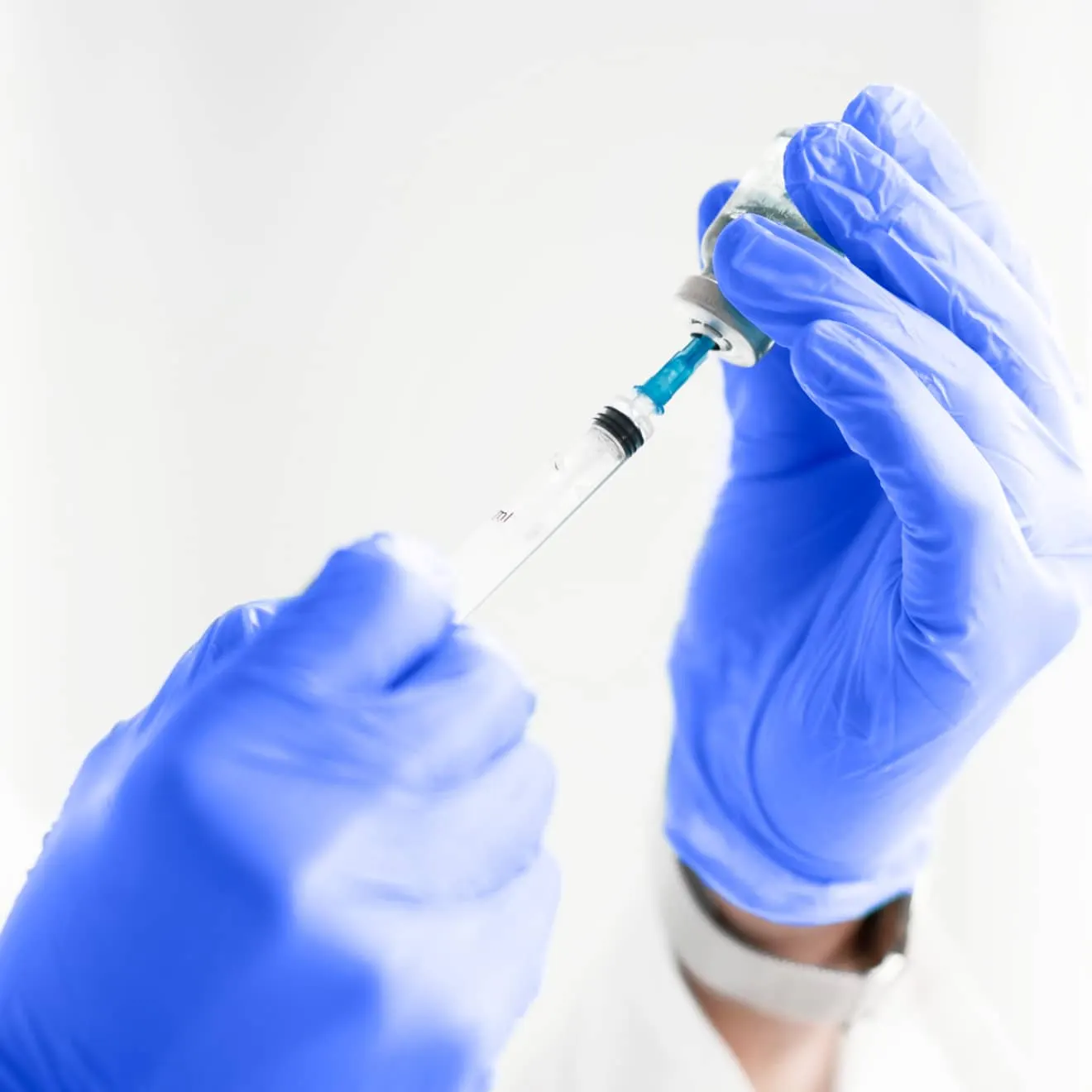

You felt the pop during a weekend softball game at City Park. Maybe it was reaching for an overhead bin at DIA, or that awkward fall on the Horsetooth trail. Whatever the moment, you now have a rotator cuff injury — and your first question is probably: "Do I need surgery?"
For many Fort Collins residents dealing with rotator cuff tears and injuries, the answer is no. Advances in regenerative sports medicine mean that non-surgical rotator cuff treatment can produce results that rival or even exceed surgical outcomes, particularly for partial tears and chronic tendinopathy.
At Hecker Sports Medicine in Fort Collins, Dr. Tom Hecker and his team specialize in helping active adults throughout Northern Colorado recover from rotator cuff injuries without the operating room. Here's what you need to know about your options.
Understanding Rotator Cuff Injuries: Not All Tears Require Surgery
The rotator cuff is a group of four muscles and tendons that stabilize your shoulder joint and allow you to lift and rotate your arm. Injuries range from mild inflammation (tendinitis) to partial tears to complete tears.
Here's what most people don't realize: research shows that up to 65% of rotator cuff tears can be effectively managed without surgery. A landmark study published in the Journal of Bone and Joint Surgery found that patients who underwent physical therapy for rotator cuff tears had outcomes comparable to those who had surgery, with fewer complications and faster functional recovery.
This is especially relevant for active adults in the Fort Collins and Northern Colorado area who want to get back to hiking, cycling, skiing, and recreational sports without months of post-surgical rehabilitation.
What Determines Whether You Need Surgery?
Several factors influence whether non-surgical treatment is appropriate for your rotator cuff injury:
Non-surgical treatment is often best when:
- You have a partial-thickness tear (less than 50% of the tendon)
- Your tear is chronic and not caused by acute trauma
- You have good baseline shoulder function
- Pain is your primary complaint rather than weakness
- You're willing to commit to a structured rehabilitation program
Surgery may be necessary when:
- You have a complete, full-thickness tear from an acute injury
- Non-surgical treatment hasn't improved symptoms after 3-6 months
- You have significant weakness that limits daily activities
- Your tear is getting progressively larger on imaging
Advanced Non-Surgical Rotator Cuff Treatments Available in Fort Collins
At Hecker Sports Medicine, we offer several cutting-edge non-surgical approaches that go well beyond traditional rest-and-ice protocols. These regenerative therapies work by stimulating your body's own healing mechanisms.
PRP+ Therapy (Platelet-Rich Plasma)
PRP+ therapy is one of the most promising treatments for rotator cuff injuries. The procedure uses concentrated platelets from your own blood to deliver growth factors directly to the injured tendon.
How it works: A small blood sample is drawn, processed in a centrifuge to concentrate the healing platelets, and then precisely injected into the damaged rotator cuff tissue under ultrasound guidance. These platelets release growth factors that stimulate tissue repair and reduce inflammation.
What the research says: Multiple clinical studies have demonstrated that PRP injections can improve pain scores, function, and tendon healing in rotator cuff injuries. A 2023 meta-analysis found that PRP therapy showed significant improvement in shoulder function scores compared to cortisone injections at 6 and 12-month follow-ups.
What to expect: Most patients at our Fort Collins clinic receive 1-3 PRP+ treatments spaced 4-6 weeks apart. Improvement typically begins within 2-4 weeks, with maximum benefits at 3-6 months. Unlike cortisone injections, which can actually weaken tendons over time, PRP supports natural tissue healing.
TECAR Radio Frequency Therapy
TECAR (Transfer of Capacitive and Resistive Electric Energy) therapy uses radio frequency energy to generate deep tissue heating, promoting blood flow and cellular repair in damaged rotator cuff tissue.
How it works: The TECAR device delivers controlled radio frequency energy through the skin to the deeper tissue layers. This creates a thermal effect that increases blood circulation, accelerates metabolic activity, and stimulates the body's natural healing response at the cellular level.
Why it's effective for rotator cuffs: The rotator cuff tendons have notoriously poor blood supply, which is a primary reason they heal slowly. TECAR therapy directly addresses this by driving increased circulation to the damaged area, delivering the oxygen and nutrients needed for repair.
Treatment experience: Sessions are painless and typically last 20-30 minutes. Many Fort Collins patients describe a pleasant warming sensation during treatment. Most treatment protocols involve 6-10 sessions.
Optical Therapeutic Laser
Our advanced laser therapy uses specific wavelengths of light to penetrate deep into shoulder tissue, reducing inflammation and pain while accelerating cellular repair.
Benefits for rotator cuff injuries:
- Reduces inflammation without medication
- Stimulates collagen production for tendon repair
- Improves range of motion
- Non-invasive with zero downtime
Piezoelectric Shockwave Therapy
Focused acoustic waves stimulate healing in damaged rotator cuff tissue by triggering the body's natural repair mechanisms. Shockwave therapy breaks down calcifications that sometimes form in chronic rotator cuff injuries and promotes new blood vessel formation.
The Combination Approach: Why Multi-Modal Treatment Gets Better Results
One of the key advantages of choosing Hecker Sports Medicine for your rotator cuff treatment in Fort Collins is our combination therapy approach. Rather than relying on a single modality, Dr. Hecker creates personalized treatment plans that layer multiple therapies for enhanced results.
For example, a typical rotator cuff treatment plan might include:
1. PRP+ therapy to deliver concentrated growth factors to the tear site 2. TECAR radio frequency sessions to improve blood flow and accelerate cellular repair 3. Therapeutic laser to reduce inflammation and pain between treatments 4. Targeted rehabilitation exercises to progressively strengthen the shoulder
This multi-modal approach addresses the injury from multiple angles simultaneously — something you simply can't achieve with surgery alone, which typically addresses only the structural damage.
Recovery Timeline: What Fort Collins Patients Can Expect
One of the biggest advantages of non-surgical rotator cuff treatment is the recovery timeline. Here's a general comparison:
Non-Surgical Recovery:
- Weeks 1-2: Initial treatment phase, moderate activity modification
- Weeks 2-6: Progressive improvement in pain and function
- Weeks 6-12: Significant functional recovery, return to most activities
- Months 3-6: Full recovery for most patients
Post-Surgical Recovery:
- Weeks 1-6: Sling immobilization, no active use of arm
- Weeks 6-12: Begin gentle physical therapy
- Months 3-6: Progressive strengthening
- Months 6-12: Full recovery (some restrictions may continue)
The difference is striking. With non-surgical treatment, most patients maintain activity throughout their recovery. Surgical patients face months of restricted movement and intensive rehabilitation.
When to Seek Treatment for Shoulder Pain in Fort Collins
Early intervention produces the best outcomes for rotator cuff injuries. If you're experiencing any of these symptoms, it's time to schedule an evaluation:
- Shoulder pain that worsens at night or when lying on the affected side
- Difficulty lifting your arm overhead
- Weakness when rotating your arm
- A clicking or catching sensation in your shoulder
- Pain that hasn't improved with rest and over-the-counter medications after 2 weeks
At Hecker Sports Medicine, we offer same-week appointments for shoulder evaluations. Our Fort Collins clinic serves patients throughout Northern Colorado, including Loveland, Windsor, Greeley, Wellington, Timnath, and the North Denver metro area.
Frequently Asked Questions About Non-Surgical Rotator Cuff Treatment
Do rotator cuff tears heal without surgery?
Yes, many rotator cuff tears can heal without surgery, particularly partial tears and chronic tendinopathy. Research shows that up to 65% of rotator cuff tears respond well to non-surgical treatment, especially when advanced therapies like PRP+ and TECAR radio frequency are used to stimulate the body's natural healing process.
What are the best non-surgical treatments for rotator cuff injuries?
The most effective non-surgical treatments include PRP+ therapy (platelet-rich plasma), TECAR radio frequency therapy, piezoelectric shockwave therapy, and optical therapeutic laser, often combined with structured physical therapy. At Hecker Sports Medicine in Fort Collins, we use a multi-modal approach that combines several of these therapies for optimal results.
How long does it take to recover from a rotator cuff tear without surgery?
Most patients begin experiencing improvement within 2-4 weeks of starting treatment, with significant functional recovery by 6-12 weeks. Full recovery for most non-surgical patients occurs within 3-6 months, which is considerably faster than the 6-12 month recovery timeline after rotator cuff surgery.
Is PRP therapy effective for rotator cuff injuries?
Clinical research supports PRP therapy as an effective treatment for rotator cuff injuries. Studies show improved pain scores, better shoulder function, and enhanced tendon healing compared to cortisone injections. PRP works by delivering concentrated growth factors from your own blood directly to the injured tissue.
When do you need surgery for a rotator cuff tear?
Surgery is typically recommended for complete, full-thickness tears caused by acute trauma, tears that haven't responded to 3-6 months of non-surgical treatment, or when significant weakness limits daily activities. Your sports medicine doctor can help determine the best approach based on imaging and functional assessment.
Take the First Step Toward Recovery
If you're dealing with a rotator cuff injury in Fort Collins or anywhere in Northern Colorado, you don't have to choose between surgery and suffering. Advanced non-surgical treatments at Hecker Sports Medicine offer a proven path to recovery that keeps you active and avoids the risks and downtime of surgery.
Call us today or schedule online to learn how regenerative sports medicine can help you get back to the active Colorado lifestyle you love. Dr. Tom Hecker and our team proudly serve Fort Collins, Loveland, Windsor, Greeley, and the greater Northern Colorado community.