

PRP Therapy for Plantar Fasciitis in Fort Collins: A Non-Surgical Path to Pain-Free Walking
Learn about PRP+ therapy for plantar fasciitis in Fort Collins. Discover how this non-surgical treatment harnesses your body's healing power for lasting heel pain relief at Hecker Sports Medicine.


Subscribe to our newsletter
Stay up to date on Sports Medical tips, tricks, and more.



You're lacing up your hiking boots for a morning trail run on Horsetooth Ridge or planning a weekend stroll through Old Town Fort Collins, but you can't shake the sharp pain shooting through your heel. That first step out of bed in the morning feels like walking on broken glass. If this sounds familiar, you may be dealing with plantar fasciitis—one of the most common foot conditions affecting active residents of Northern Colorado.
For years, the standard approach meant months of stretching, ice, and the hope that time would heal the injury. But what if there was a way to accelerate healing without surgery? PRP therapy has emerged as a game-changing solution for chronic plantar fasciitis, offering patients in Fort Collins a scientifically-backed pathway to recovery that actually addresses the root cause of the pain.
Understanding Plantar Fasciitis: More Than Just Heel Pain
Plantar fasciitis occurs when the plantar fascia—a thick band of connective tissue running along the bottom of your foot—becomes inflamed and painful. This tissue acts as a shock absorber and support structure for your arch. When it's overloaded from repetitive activity, age-related degeneration, or biomechanical stress, tiny tears develop in the tissue.
The condition is incredibly common in Fort Collins, where residents love outdoor activities like trail running, hiking, and cycling. Whether you're climbing Horsetooth Falls or spending long days on your feet, plantar fasciitis doesn't discriminate—it affects athletes and weekend warriors alike.
Common symptoms include:
- Sharp heel pain, especially with your first steps in the morning
- Pain that worsens with prolonged standing or activity
- Tenderness along the bottom of the foot
- Pain that may gradually improve with movement, then return after rest
Why Traditional Treatments Often Fall Short
Conventional approaches to plantar fasciitis typically include rest, anti-inflammatory medications, stretching exercises, and sometimes corticosteroid injections. While these methods work for some patients, they address symptoms rather than the underlying tissue damage.
The real problem: plantar fascia has poor blood supply, which means the body's natural healing mechanisms struggle to repair damaged tissue. Corticosteroid injections may reduce pain temporarily, but they can weaken tissue over time and don't promote genuine healing. Many patients find themselves caught in a cycle of pain relief followed by recurring symptoms when treatment wears off.
According to research published in the American Journal of Sports Medicine, approximately 10-15% of people with plantar fasciitis fail conservative treatment after 12 months. These patients often face the prospect of surgery—which carries its own risks and recovery time.
This is where PRP therapy represents a breakthrough approach.
How PRP+ Therapy Works for Plantar Fasciitis
Platelet-rich plasma (PRP) therapy harnesses the healing power of your own blood to stimulate tissue repair. Here's the process:
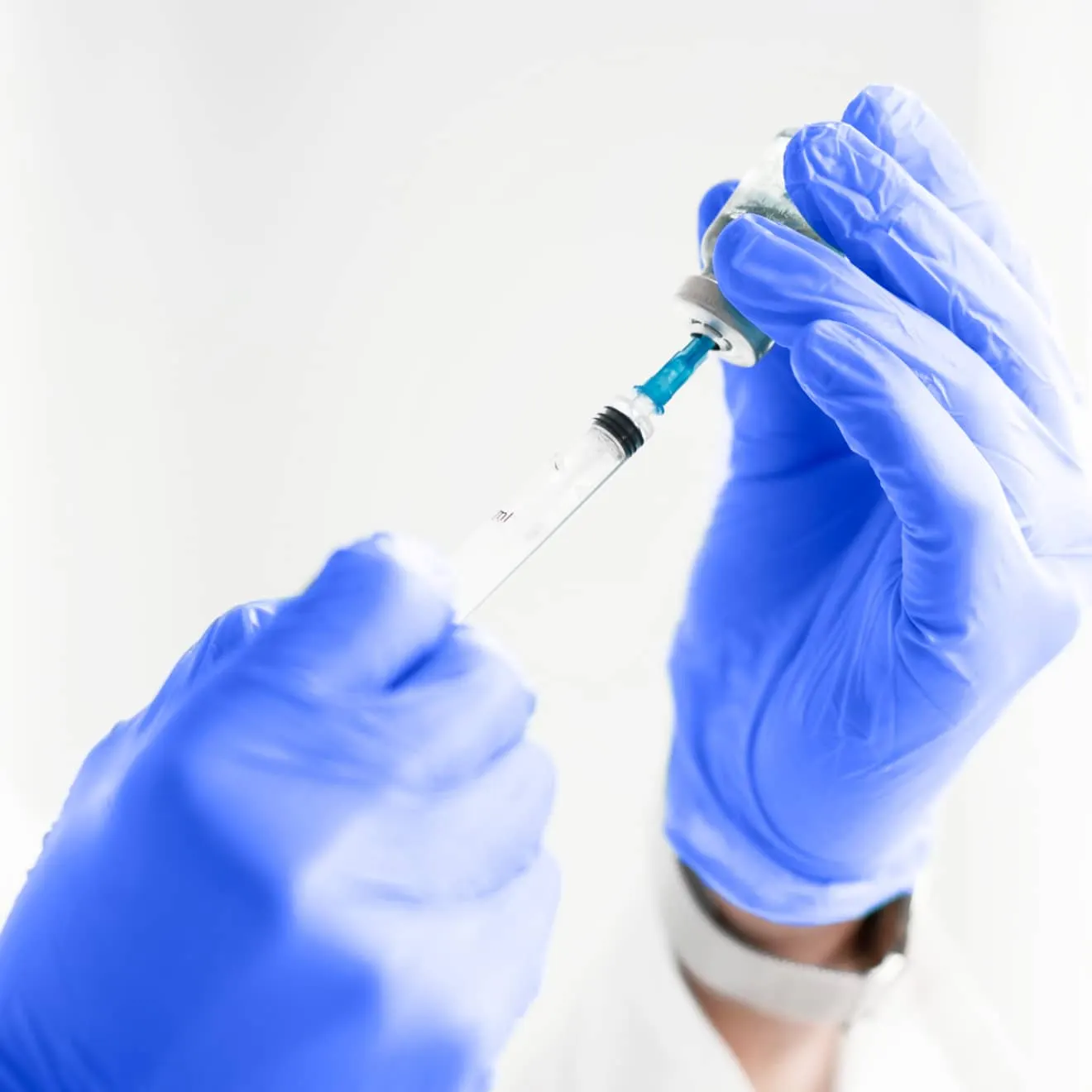
First, Dr. Tom Hecker draws a small amount of your blood—similar to a standard blood test. This sample is then placed in a specialized centrifuge that separates the platelets and growth factors from other blood components. The result is PRP+: a concentrated solution containing up to 6 times the normal concentration of healing platelets and growth factors.
When this concentrated PRP+ is injected directly into the damaged plantar fascia, something remarkable happens. The growth factors trigger your body's natural healing cascade, activating cellular repair mechanisms that have been stalled by poor blood flow. Platelets release growth factors including PDGF (platelet-derived growth factor), VEGF (vascular endothelial growth factor), and TGF-beta, which:
- Stimulate new blood vessel formation, improving tissue blood supply
- Activate fibroblasts, the cells responsible for producing healthy collagen
- Reduce inflammation at the cellular level
- Promote tissue regeneration rather than just masking pain
The key advantage: PRP+ addresses the root cause of plantar fasciitis instead of just treating symptoms. Research published in the Foot & Ankle Specialist journal demonstrates that PRP injections show success rates of 70-90% in treating chronic plantar fasciitis that has failed conventional treatment.
What to Expect During PRP+ Treatment
The procedure at Hecker Sports Medicine in Fort Collins is straightforward and minimally invasive. After Dr. Tom Hecker draws your blood sample and prepares the PRP+, he uses ultrasound guidance to precisely inject the solution into the damaged plantar fascia. The entire process takes about 30 minutes from blood draw to injection.
You may feel mild discomfort during injection, but the procedure doesn't require anesthesia for most patients. Because this is your own blood product, there's no risk of allergic reaction or rejection.
Recovery Timeline: When Will Your Pain Improve?
One of the biggest advantages of PRP+ therapy is that there's minimal to no downtime. Unlike surgery, you don't need to be off your feet for weeks. However, recovery isn't immediate—and understanding the timeline helps set realistic expectations.
Weeks 1-2: Rest and minimal activity are important as the healing cascade begins. You may experience mild soreness at the injection site.
Weeks 3-6: Many patients notice their first significant improvements as new blood vessels form and cellular repair accelerates. Pain typically begins decreasing during this window.
Weeks 8-12: Collagen remodeling continues, and most patients report substantial improvement. Activities that were painful become tolerable again.
Months 4-6: Full tissue healing and remodeling occurs. Most patients achieve complete pain relief during this period.
Studies show that 85% of patients experience significant improvement within 3 months, with many reporting they can return to their favorite activities—hiking Horsetooth Ridge, trail running in Fort Collins, or simply enjoying pain-free mornings.
Combining PRP+ with Other Advanced Therapies
While PRP+ is highly effective on its own, Dr. Tom Hecker often recommends a combination approach for optimal results, especially in cases of chronic or severe plantar fasciitis.
TECAR Radio Frequency Therapy works synergistically with PRP+ by using controlled thermal energy to stimulate deeper tissue healing and reduce inflammation. This can accelerate the healing timeline.
Piezoelectric Shockwave Therapy uses sound waves to break up scar tissue in the plantar fascia and further stimulate the body's healing response. Many patients with extremely chronic cases benefit from combining shockwave with PRP+.
At Hecker Sports Medicine, Dr. Tom Hecker assesses each patient individually to determine if combination therapy would be beneficial for their specific situation. This multimodal approach often delivers superior results compared to any single treatment, especially for patients who haven't responded to traditional care.
PRP+ vs. Other Treatment Options: What's Right for You?
Understanding how PRP+ compares to other options helps you make an informed decision about your care.
PRP+ vs. Corticosteroid Injections: While corticosteroids provide faster initial pain relief, PRP+ actually heals tissue rather than just reducing inflammation. Long-term studies show PRP+ provides superior outcomes and doesn't weaken tissue like repeated steroid injections can.
PRP+ vs. Surgery: Plantar fascia release surgery is effective but carries surgical risks, requires recovery time, and results in permanent changes to your foot structure. PRP+ is non-surgical, has no downtime, and preserves your normal anatomy.
PRP+ vs. Conservative Treatment Alone: For patients who've tried 12+ weeks of stretching, rest, and anti-inflammatories without relief, PRP+ offers hope. It's especially valuable when conservative care has plateaued.
Is PRP+ Therapy Right for Your Plantar Fasciitis?
PRP+ therapy is ideal if:
- You've had symptoms for 6+ weeks without significant improvement
- Conservative treatments have helped, but pain keeps returning
- You want to avoid surgery
- You're ready to invest in genuine healing rather than temporary pain relief
- You're active and want to return to running, hiking, or other impact activities
You may want to explore other options if:
- Your symptoms are very recent (less than 6 weeks)—conservative care may still resolve them
- You haven't committed to the guided physical therapy that complements PRP+ treatment
- You're not willing to modify activity appropriately during the healing period
FAQ: Your PRP+ Questions Answered
How long does the PRP+ injection procedure take?
The entire procedure, including blood draw, preparation, and injection, takes approximately 30-40 minutes. You can return home immediately afterward.
Will I need time off work or activities after PRP+ injection?
No significant downtime is required. Most patients can return to light activity immediately. However, we recommend avoiding high-impact activities for 1-2 weeks to allow initial healing. Dr. Tom Hecker provides specific activity guidelines based on your situation.
How many PRP+ injections will I need?
Most patients achieve excellent results with a single injection. Some cases may benefit from a second injection 4-6 weeks later if progress is slower than expected. Dr. Hecker will assess your progress during follow-up visits.
How does PRP+ differ from standard platelet-rich plasma offered elsewhere?
PRP+ at Hecker Sports Medicine uses advanced centrifugation technology and specialized preparation protocols to achieve higher concentrations of healing platelets and growth factors compared to standard PRP. This enhanced formulation typically delivers better results.
Will insurance cover PRP+ therapy for plantar fasciitis?
Coverage varies by insurance plan. We recommend contacting your insurance provider to ask about coverage. Many patients find PRP+ to be a worthwhile investment given its high success rate and potential to avoid surgery. We work with patients on flexible payment options.
Your Path Forward: Healing Plantar Fasciitis Without Surgery
Living with plantar fasciitis pain means compromising on the activities that make Northern Colorado living special. Whether you love trail running at Horsetooth Ridge, hiking in Rocky Mountain National Park, or simply enjoying morning walks through Fort Collins neighborhoods, heel pain shouldn't hold you back.
PRP+ therapy offers a scientifically-proven, minimally-invasive pathway to genuine healing. By harnessing your body's own healing mechanisms, this advanced treatment addresses the root cause of plantar fasciitis rather than just masking symptoms.
Dr. Tom Hecker and the team at Hecker Sports Medicine in Fort Collins have helped hundreds of patients throughout Northern Colorado—including residents of Loveland, Windsor, Greeley, Wellington, Timnath, and North Denver—overcome plantar fasciitis and return to pain-free activity.
Ready to explore whether PRP+ therapy is right for you? Contact Hecker Sports Medicine today to schedule a consultation with Dr. Tom Hecker. Together, we'll develop a personalized treatment plan designed to eliminate your heel pain and restore your active lifestyle. Don't let plantar fasciitis define your life in Fort Collins—your pain-free future is within reach.